Hotel furniture installation crews play a critical role in protecting a property during renovations, room refreshes, and new FF&E rollouts. Moving beds, case goods, sofas, headboards, televisions, artwork, and appliances through busy hotel corridors is more complicated than ordinary furniture delivery. Without proper preparation, one careless turn can damage a wall, scratch a floor, break a door, or create a safety issue for guests and employees.
Professional training helps installation teams work efficiently while reducing avoidable costs and disruptions. It also supports a consistent guest experience, especially when rooms must be completed on a tight schedule. In this guide, you will learn how trained crews prevent property damage, what installation training should include, and how hotel owners and managers can choose the right partner for a renovation or furniture replacement project.
Why Hotel Furniture Installation Crews Need Professional Training
Hotel furniture installation requires more than strength and basic assembly skills. A commercial property has unique access challenges, strict brand standards, valuable finishes, and an ongoing flow of guests. Professional crews must understand how to transport large or heavy items without compromising the building or interrupting operations.
Training gives installers a repeatable process. Before moving anything, the team can evaluate the route, identify potential hazards, confirm room specifications, and determine whether specialized tools or additional personnel are needed. This preparation is a foundation for hotel property damage prevention.
Understanding hotel environments
Hotels often feature delicate flooring, painted corridors, glass surfaces, stone countertops, custom millwork, elevators, and narrow service doors. An installer who works primarily in residential settings may not recognize how quickly commercial finishes can be damaged by an unprotected dolly or improperly balanced load.
Trained hotel furniture installation crews learn to account for:
- Elevator capacity, loading procedures, and protective padding
- Carpet, hardwood, tile, marble, and other flooring materials
- Door frames, corridor corners, wall coverings, and decorative features
- Guest traffic, housekeeping schedules, and quiet-hour requirements
- Emergency exits, fire safety routes, and restricted-access areas
- Manufacturer instructions and property-specific installation standards
This knowledge helps the crew make good decisions before a problem occurs. For example, a team may choose a different cart, remove a door temporarily, use a two-person carry, or schedule a delivery during a lower-traffic period.
Following a documented installation process
Professional furniture installation should be organized from receiving through final inspection. Crews typically verify quantities, inspect items for pre-existing damage, protect travel paths, stage pieces in the correct locations, assemble or mount the furniture, and remove packaging and debris.
A documented process also creates accountability. If an issue is discovered, the project manager can identify when it occurred and respond quickly. That is especially valuable during large renovations involving hundreds of rooms, multiple vendors, and strict opening deadlines.
How Training Prevents Common Types of Property Damage
Property damage is not always caused by a major accident. More often, it results from small oversights repeated across a project: a cart rolling into a baseboard, a tool placed on a finished countertop, or a bed frame dragged across a new floor. Professional training addresses these risks through practical techniques and consistent supervision.
Protecting floors, walls, and doors
Before work begins, installers should inspect and protect the route from the loading area to the guest room. Floor runners, corner guards, moving blankets, door protectors, and padded carts can prevent scratches, dents, and scuffs. Heavy items should be lifted or placed on suitable equipment rather than dragged.
Trained crews also know how to control large pieces in tight spaces. A headboard, sofa, or wardrobe may need to be turned vertically or carried by multiple people to avoid striking a wall. When moving through an elevator, installers should position the load carefully and avoid exceeding posted weight limits.
Preventing assembly and mounting errors
Incorrect assembly can damage both the furniture and the room. Over-tightened fasteners may split wood or strip hardware, while missing brackets can leave a dresser unstable. Training helps installers use the correct tools, follow manufacturer instructions, and recognize when a component does not fit as expected.
Wall-mounted items require an even higher level of care. Flat-screen televisions, headboards, mirrors, shelving, and artwork must be secured to suitable structural points using the correct anchors and hardware. A trained installer checks measurements, confirms clearances, identifies concealed utilities when possible, and verifies that the finished installation is stable.
These practices reduce the likelihood of falling objects, damaged walls, guest injuries, and expensive rework. They also help hotels maintain a consistent appearance from room to room, which is essential for brand compliance and quality inspections.
Hotel Furniture Installation Training: What It Should Include
Effective furniture installation training combines technical instruction with jobsite awareness. The goal is not simply to teach a worker how to assemble a nightstand or attach a television bracket. It is to develop a crew that can complete the entire assignment safely, accurately, and respectfully inside an operating hospitality property.
Core skills for trained installers
A comprehensive program should cover safe lifting, team communication, cart and dolly operation, hand and power tool use, hardware identification, and basic interpretation of installation drawings. Installers should also learn how to protect finished surfaces and how to report damage or missing parts immediately.
Training should address the specific products being installed. Case goods, upholstered furniture, mattresses, lighting, appliances, and wall-mounted equipment all require different handling methods. For example, mattresses should not be dragged across dirty surfaces, while upholstered pieces may need plastic or fabric protection during transport.
Quality control and final room checks
Professional installation includes more than putting items in place. Before leaving a room, the crew should confirm that furniture is level, doors and drawers operate properly, hardware is secure, electrical cords are safely routed, and all packaging has been removed. The team should also compare the completed room with the approved layout or scope of work.
A useful final inspection may include:
- Checking walls, floors, doors, and furniture for new damage
- Confirming that each item is in the correct room and position
- Testing mounted equipment and verifying secure attachment
- Removing labels, plastic, cartons, and installation debris
- Reporting shortages, defects, or unexpected site conditions
- Obtaining sign-off from the hotel representative when required
This attention to detail supports hotel renovation best practices and prevents a minor installation issue from becoming a guest complaint or a costly punch-list item. It also gives the hotel a clear record of completed work.
Choosing a Professional Installation Partner for a Hotel Project
The right installation partner should be evaluated on more than price. A low bid may become expensive if the crew works slowly, causes damage, fails to follow specifications, or leaves the hotel responsible for cleanup and rework. Hotel owners and general managers should look for a provider with relevant hospitality experience, trained personnel, clear communication, and a dependable project plan.
Questions to ask before hiring
Before approving a furniture installation company, ask how it handles protection, scheduling, quality control, and unexpected conditions. It is also important to confirm whether the provider can coordinate with contractors, property staff, vendors, and brand representatives.
Consider asking:
- Does the company have experience with hotels, resorts, and multi-room installations?
- Are crews uniformed, supervised, and trained for commercial furniture handling?
- How will floors, walls, elevators, and doors be protected?
- Can the team install mattresses, case goods, televisions, artwork, and headboards?
- How are damaged items, shortages, and change orders documented?
- Can the company work around occupied rooms and minimize guest disruption?
- Does the proposal explain the scope, schedule, pricing, and cleanup responsibilities?
Why experience and communication matter
Hotel projects frequently change as deliveries arrive, rooms become available, or renovation work progresses. An experienced installation partner communicates quickly and adjusts without losing control of the schedule. The company should provide a clear point of contact and keep management informed about progress and issues.
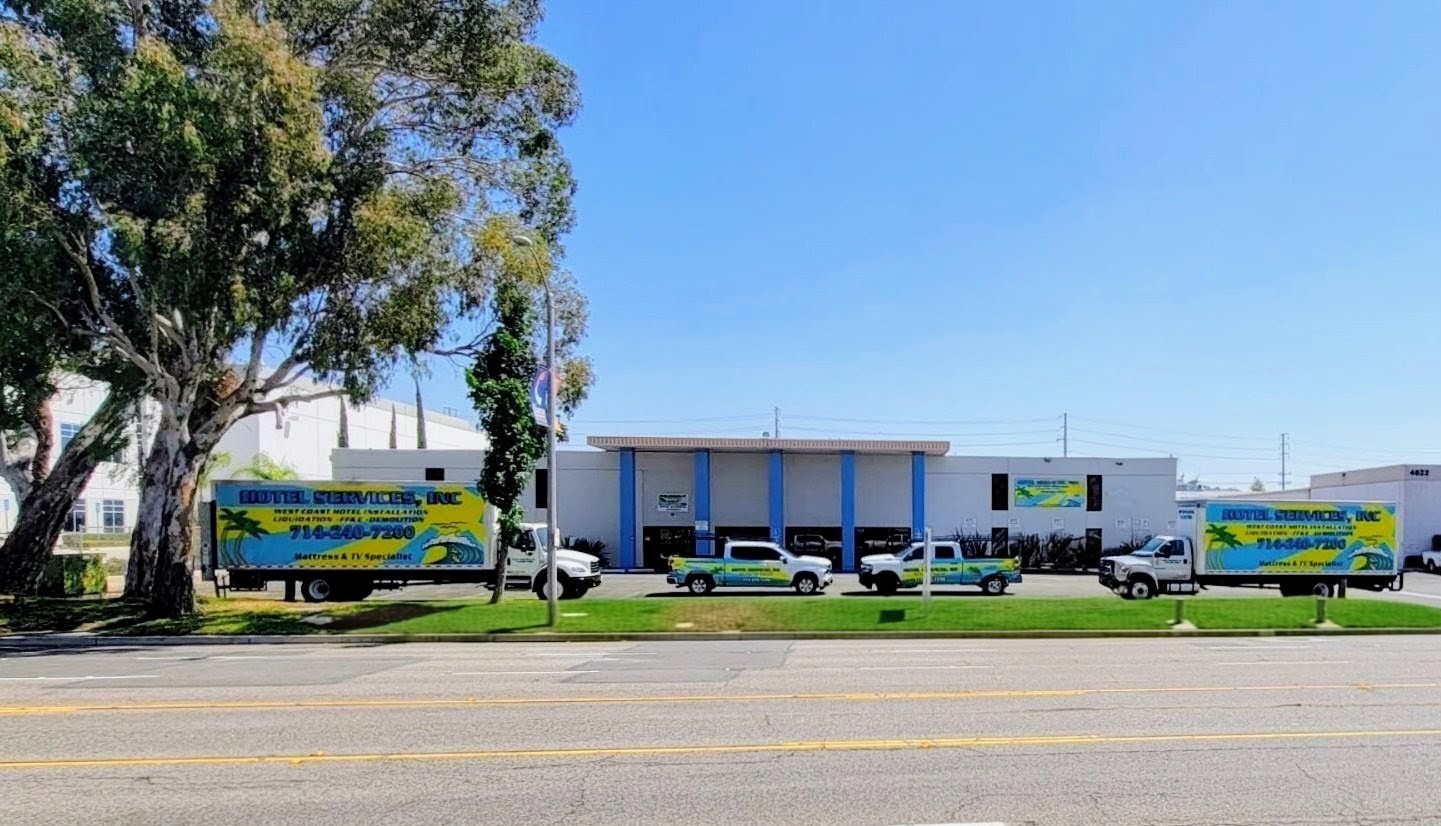
Hotel Services Inc. provides nationwide FF&E and professional furniture installation for hotels, motels, and resorts. Based in Anaheim, California, the company coordinates complete room outfitting, case goods movement, contractor communication, quality inspections, and timeline management. Its professional uniformed crews are trained to work efficiently while protecting floors, walls, doors, and other property features.
HSI also supports related project needs, including hotel furniture liquidation, mattress installation, mattress removal and recycling, demolition, and furnishing solutions for Airbnb and VRBO properties. Because these services can be coordinated through one provider, hotel managers may reduce handoffs and simplify project communication. The company offers fair rates, detailed estimates, a 100% guarantee on its work, and service in English and Spanish.
Conclusion: Protect Your Property With Trained Installation Crews
Professional training is one of the most effective ways to prevent damage during a hotel furniture installation. Skilled crews understand how to plan routes, protect finished surfaces, handle commercial-grade furnishings, complete secure mounting, and inspect every room before turning it back to hotel staff. As a result, properties can reduce rework, protect their renovation investment, and deliver a better experience for guests.
When comparing installation providers, look beyond hourly rates. Choose a hospitality-focused partner with trained crews, strong communication, documented quality checks, and the resources to manage the full scope of the project. Hotel Services Inc. serves properties nationwide with FF&E installation, furniture removal, mattress services, and related solutions. To request a consultation or bid estimate, call (714) 541-7600 or 888-238-5252, or contact the team through hotelserviceinc.com.