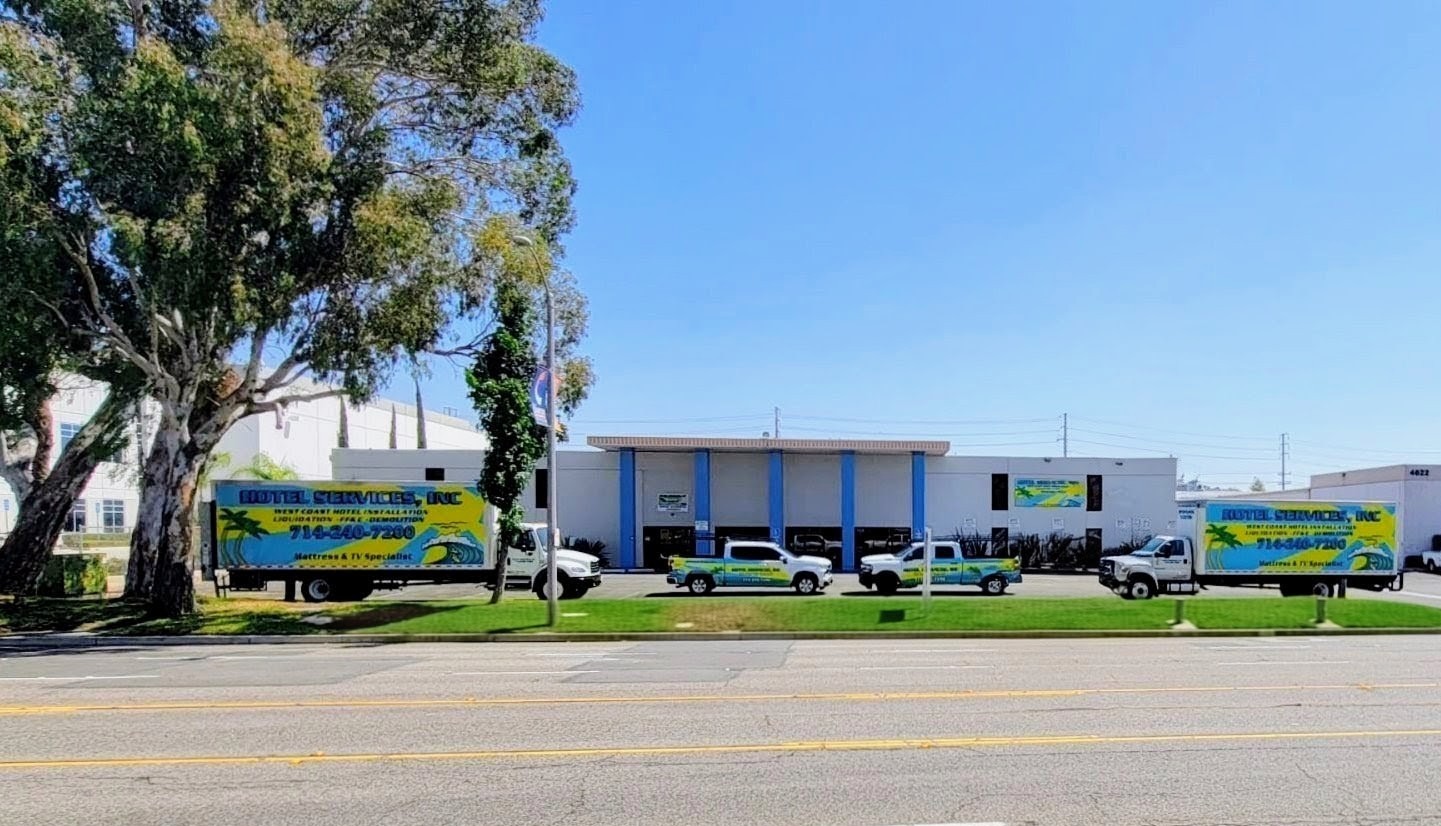
Hotel demolition planning is more than scheduling a crew to tear out rooms. It is a carefully coordinated process that connects selective demolition, debris removal, furniture liquidation, recycling, procurement, installation, inspections, and the overall renovation timeline. When these activities are not aligned, debris can block trades, usable furnishings may be damaged, dumpsters can overflow, and rooms may remain out of service longer than expected. For hotel owners, general contractors, and renovation managers, the goal is to keep the property safe, productive, and ready for the next phase of work. This guide explains how to coordinate hotel demolition with renovation milestones, create a practical debris removal plan, protect the property, and work with experienced hospitality service providers such as Hotel Services Inc. (HSI).
Hotel Demolition Planning Starts with the Renovation Timeline
A successful hotel demolition project begins well before the first piece of furniture is removed. The demolition schedule should be built around the complete renovation plan, including design approvals, material delivery, construction, installation, inspections, and reopening dates. In other words, demolition is not an isolated task; it is the first operational phase of the renovation.
Map each renovation phase
Start by dividing the project into clearly defined areas and milestones. These may include guest rooms, corridors, public spaces, restaurants, meeting rooms, kitchens, exterior areas, and back-of-house facilities. For each area, identify when it will be taken out of service, cleared, demolished, rebuilt, furnished, inspected, and returned to operation.
Many hotels benefit from a phased approach. For example, a property may close one floor at a time rather than removing every room from inventory at once. This approach can help preserve occupancy, maintain revenue, and reduce disruption. However, it requires precise coordination. The demolition crew must complete one zone before contractors need access, while replacement furniture and equipment must arrive only when the space is clean, secure, and ready.
Build schedule buffers into the plan
Even a well-organized project can encounter unexpected conditions, such as concealed water damage, difficult access routes, delayed materials, or additional items discovered during removal. Add reasonable buffer time between demolition and the next major trade. This gives the team time to complete final debris removal, sweep and inspect the area, address safety concerns, and confirm that walls, floors, doors, and elevators are ready for continued work.
A useful hotel renovation planning schedule should include:
- Room or area closure dates and guest relocation requirements
- Furniture, mattress, appliance, and equipment removal dates
- Selective demolition and facility demolition activities
- Dumpster, truck, loading dock, and elevator reservations
- Debris sorting, hauling, recycling, and final cleanup
- Construction start dates and contractor access windows
- FF&E delivery, installation, inspection, and punch-list dates
- Target dates for room release and reopening
Sharing this schedule with every service provider prevents conflicting assumptions. It also allows the demolition and removal team to plan labor, vehicles, equipment, and disposal outlets in advance.
Separate Furniture Removal, Demolition, and Debris Removal
One of the most important planning decisions is determining what should be liquidated, donated, recycled, stored, or discarded. Hotel furniture removal and demolition are related, but they are not the same operation. Treating every item as debris can increase disposal costs and eliminate potential value. Conversely, leaving unwanted furnishings in a work area can delay contractors and create avoidable safety risks.
Complete a pre-demolition inventory
Before work begins, create an itemized inventory of guest-room furniture and equipment. Include beds, mattresses, box springs, case goods, couches, chairs, lamps, artwork, televisions, appliances, air conditioners, patio furniture, sofa beds, and other removable items. Note the quantity, condition, location, and intended outcome for each category.
Some furnishings may be suitable for resale or reuse. Commercial-grade pieces sourced from quality hotels can remain valuable to independent hotels, motels, short-term rentals, and other businesses. Items that are not appropriate for resale may still qualify for recycling or responsible disposal. A documented inventory helps the owner make decisions before the demolition crew arrives and keeps reusable assets from being mixed with construction waste.
Coordinate the removal sequence
The removal sequence should protect both the property and the schedule. Typically, loose furnishings are removed first, followed by mattresses, built-in elements, fixtures, and construction materials designated for demolition. Crews should use floor protection, door protection, and safe moving techniques to reduce damage to guest corridors, elevators, walls, and finished surfaces.
Mattresses deserve special attention. They are bulky, difficult to stack safely, and often need a separate recycling or disposal process. Hotel Services Inc. provides hotel mattress liquidation and works with recycling partners, including MBC Mattress Recycling and Gateway Mattress Recycling, to help divert mattresses and furniture from landfills when appropriate. Planning this step early prevents mattresses from occupying valuable staging space or interfering with construction access.
For hotel owners, per-item pricing can also make budgeting easier than an open-ended hourly arrangement. HSI offers free quotes with detailed cost breakdowns and can perform on-site assessments in Southern California, while remote solutions are available for out-of-state properties. A defined scope should explain what will be removed, what will be recycled, what will be liquidated, and what charges apply to items requiring special handling.
Coordinate Debris Removal with Contractors and Hotel Operations
Debris removal must be treated as a continuous logistics process rather than a final cleanup task. During hotel demolition, waste can accumulate quickly and obstruct corridors, loading areas, stairwells, mechanical rooms, and contractor work zones. A removal plan should establish how debris moves from the work area to the collection point and how frequently it leaves the property.
Define collection and hauling procedures
Work with the general contractor to determine the appropriate containers, pickup frequency, access routes, and staging locations. The plan may require separate containers for construction debris, metal, cardboard, mattresses, electronic equipment, and reusable furnishings. Sorting materials at the source can improve recycling opportunities and reduce contamination.
Also confirm practical details before demolition begins:
- Where trucks and dumpsters may park
- Which loading dock or service entrance will be used
- When elevators can be reserved for crews and materials
- How debris will be covered, contained, and secured
- Who authorizes additional hauling or container service
- How daily removal completion will be documented
In occupied hotels, timing is especially important. Noisy hauling, elevator use, and corridor traffic should be scheduled around guest movement, housekeeping, food service, and events whenever possible. Professional, uniformed crews can help create a more controlled experience while minimizing guest disruption. Clear signage, temporary barriers, and sealed pathways may also be necessary to keep guests away from active work zones.
Protect safety and property conditions
Debris should never be allowed to block emergency exits, fire equipment, accessible paths, or required service routes. Dust control, daily sweeping, and proper containment are equally important. Before a space is released to the next contractor, the project manager should confirm that debris has been removed, hazardous conditions have been addressed, and the area is ready for construction.
Facility demolition may involve larger or more complex areas than guest-room demolition, including restaurants, spas, lobbies, conference facilities, and back-of-house spaces. These locations may contain specialized equipment, plumbing connections, electrical components, and heavy fixtures. Their removal should be coordinated with qualified contractors and the property’s safety requirements rather than handled as ordinary furniture disposal.
A daily closeout checklist can include photographs, room counts, debris status, damage reports, outstanding items, and the next day’s access requirements. This simple documentation helps identify schedule risks before they affect the renovation timeline.
Use FF&E Coordination to Keep the Project Moving
Demolition is complete only when the space is ready for the next phase. If new furniture, fixtures, and equipment are not planned alongside removal, a hotel can experience a costly gap between construction completion and room readiness. FF&E coordination connects demolition, purchasing, delivery, installation, quality control, and final turnover.
Plan the replacement flow before removal begins
Confirm when replacement items will be available, where they will be stored, and how they will reach each room or public area. Delivery dates should reflect actual construction progress, not simply the original renovation schedule. Sending furniture too early can create storage problems and expose products to damage. Sending it too late can leave finished rooms vacant.
For phased renovations, organize FF&E by floor, room type, building, or installation wave. Labeling products and creating room-specific sets can reduce searching, handling, and installation errors. It also makes it easier to identify missing or damaged pieces during quality inspections.
Hotel Services Inc. supports FF&E planning, contractor coordination, case goods movement, complete room outfitting, installation, and quality inspections. Its nationwide installation service can help owners maintain consistent standards across multiple locations. HSI crews install furnishings to exact specifications and can securely mount items such as flat-screen televisions, wall art, and headboards to help reduce accidental damage and theft.
Connect demolition sign-off to installation readiness
Establish objective criteria for releasing an area. A room or facility should not move into installation simply because the large debris has been removed. It should be swept, inspected, accessible, and free of unresolved demolition-related damage. Flooring, walls, doors, outlets, plumbing connections, and mounting surfaces should be reviewed as applicable.
Once a space is released, the installation team can work efficiently without competing with demolition crews. This separation improves productivity and reduces the risk of damaging newly installed furnishings. It also supports faster inspections and helps the hotel return renovated rooms to inventory on schedule.
When the renovation includes mattress replacement, professional mattress installation can further simplify turnover. Organized crews may complete large quantities in a single day, depending on site conditions and scope, while limiting disruption to hotel operations.
Choose a Debris Removal Partner with Hospitality Experience
Hotels have operational demands that ordinary residential or commercial demolition projects may not address. Guest privacy, occupancy, brand standards, limited loading access, recurring room turnover, and strict opening deadlines all affect how removal work should be performed. A hospitality-focused partner understands that the project must be clean, organized, and sensitive to the guest experience.
When evaluating a provider, ask whether the company can manage the full scope rather than only haul away waste. Important capabilities include:
- Pre-project inventory and on-site assessment
- Furniture liquidation and per-item pricing
- Mattress removal and recycling coordination
- Protection for floors, walls, doors, and common areas
- Phased scheduling that aligns with hotel operations
- Coordination with contractors and FF&E installers
- Professional crews and documented completion reports
- Nationwide service for multi-property renovation programs
- Clear estimates, communication, and defined responsibilities
Hotel Services Inc. has served the hospitality industry since 2006, evolving from West Coast Liquidation into a complete hotel furnishing solutions provider. In addition to demolition and debris removal, the company handles furniture liquidation, mattress services, recycling, FF&E installation, and furniture sales. Its crews serve hotels, motels, and resorts nationwide, with a focus on fair rates, responsive service, environmental responsibility, and minimizing disruption.
Hotels that purchase repurposed furnishings may also qualify for HSI’s Green Certificate Program. The certificate recognizes environmentally responsible purchasing and can support a property’s sustainability messaging. For project estimates, contact HSI at (714) 541-7600 or 888-238-5252. Bid estimates are available through John at (949) 310-2277 or (714) 240-7200. HSI is located at 4640 E. La Palma Ave., Anaheim, California, and offers service in English and Spanish.
Conclusion: Make Debris Removal Part of the Renovation Strategy
Hotel demolition planning works best when debris removal is scheduled alongside furniture liquidation, construction, FF&E delivery, installation, inspections, and room release. Begin with a detailed inventory, separate reusable assets from true waste, establish safe collection routes, and build realistic buffers into the renovation timeline. Just as importantly, choose a partner that understands hotel operations and can protect the property while keeping each phase moving.
Hotel Services Inc. can help coordinate furniture removal, mattress recycling, facility demolition, debris removal, FF&E installation, and related hospitality services from one experienced team. Whether you are renovating a single floor or managing a multi-property program, request a detailed estimate and discuss your schedule before demolition begins. Visit hotelserviceinc.com or call HSI to plan a cleaner, safer, and more predictable renovation.