Hotel renovations involve far more than selecting attractive furnishings and delivering them to a property. Every bed, nightstand, sofa, desk, lamp, and fixture must be evaluated for condition, safety, functionality, and suitability before it reaches a guest room. That is why professional furniture inspection is an essential step in a successful renovation. Without a detailed inspection, hotels may install damaged pieces, overlook safety concerns, create inconsistent room standards, or spend money replacing items that could have been repaired or repurposed.
For hotel owners, operators, and renovation managers, a reliable inspection process protects budgets while supporting guest satisfaction and safety compliance. This guide explains what hotel furniture inspection should include, how it supports efficient hotel renovations, and why partnering with an experienced hospitality services provider can make the entire project easier to manage.
Why Professional Furniture Inspection Matters During Hotel Renovations
Renovating a hotel is a significant investment. Although new finishes and updated furnishings can improve the guest experience, poor-quality or incorrectly installed furniture can undermine the results. Professional furniture inspection provides an objective review of each item before it is accepted, installed, reused, sold, or recycled.
Unlike a quick visual check, a professional inspection examines furniture from several perspectives. Inspectors look for structural damage, worn hardware, unstable legs, broken supports, sharp edges, stains, odors, missing components, and signs of pest or moisture damage. They also verify that items meet the property’s specifications, room layouts, and operational requirements.
This process is particularly valuable when a renovation involves hundreds of rooms. Small defects that seem insignificant in one room can become expensive and disruptive when repeated across an entire property. For example, a loose bed frame connection or damaged drawer slide may be overlooked during delivery but later result in maintenance calls, room moves, or negative reviews.
Inspection protects the renovation budget
A detailed assessment helps decision-makers determine which furnishings should be kept, repaired, liquidated, donated, recycled, or replaced. This prevents a hotel from paying to move and install items that are no longer suitable. It also identifies reusable commercial-grade furniture that may reduce the need to purchase everything new.
For properties working with a defined renovation budget, this information is invaluable. Instead of making decisions based only on age or appearance, managers can prioritize spending according to condition, safety, durability, and guest impact.
Inspection supports consistent room quality
Guests expect rooms to look and function consistently. Professional inspection helps create a clear standard for acceptable furniture across guest rooms, suites, meeting spaces, and common areas. A documented standard can include acceptable wear, dimensions, color, hardware, finish, and operational performance.
As a result, the renovation team can deliver a more uniform property while reducing last-minute corrections. Consistency improves the appearance of the hotel and contributes directly to guest satisfaction.
What a Comprehensive Hotel Furniture Inspection Includes
A thorough hotel furniture inspection should be systematic, documented, and tailored to the property. Experienced inspectors do not simply identify whether an item “looks good.” They assess how it will perform in a demanding hospitality environment, where furniture is used frequently and must withstand continual turnover.
Structural and functional checks
Inspectors begin by evaluating the physical condition of each item. Beds and bed frames are checked for stability, damaged rails, missing fasteners, and proper support. Case goods, including nightstands, desks, dressers, and armoires, are examined for loose joints, broken hinges, damaged drawers, and uneven surfaces.
Upholstered items require additional attention. Sofas, chairs, benches, and headboards should be inspected for frame weakness, torn fabric, excessive compression, stains, odors, and exposed sharp points. Outdoor furniture should be checked for corrosion, cracking, UV damage, and structural weakness caused by weather exposure.
Functional inspection may include:
- Opening and closing drawers, doors, and cabinet hardware
- Testing bed supports, sofa beds, and reclining mechanisms
- Checking table and chair stability
- Confirming that casters, glides, and leveling feet work correctly
- Reviewing electrical components, lamps, and integrated charging features
- Verifying that furniture dimensions match approved room plans
Safety and compliance review
Safety is one of the most important reasons to use professional inspection services. Furniture should not create avoidable risks for guests, employees, or contractors. Inspectors look for unstable pieces, protruding hardware, splintered wood, broken glass, unsecured shelving, and other hazards.
They can also identify installation concerns involving wall-mounted headboards, televisions, mirrors, artwork, and shelving. These items may require correct anchors, brackets, or fasteners to prevent accidental damage or theft. Although furniture inspection does not replace legal or building-code review, it helps the renovation team identify conditions that require correction before a room is opened.
Documentation is equally important. Photos, condition reports, item counts, and repair recommendations create a record that can be shared with ownership, contractors, purchasing teams, and installation crews. Clear documentation reduces disagreements and makes it easier to confirm that approved corrections were completed.
How Inspection Improves Hotel Renovation Efficiency
Hotel renovations must often be completed while a property continues serving guests. Delays can affect occupancy, revenue, staffing, and online reputation. A professional inspection helps the project team identify problems early, when they are less expensive and easier to solve.
Better planning before delivery and installation
Inspection results can guide purchasing and logistics decisions before furniture reaches the property. If a shipment contains incorrect dimensions, missing parts, or unacceptable damage, the issue can be addressed before installation day. This reduces the risk of storing unsuitable items onsite or discovering problems after rooms have already been taken out of service.
Inspection also supports accurate room-by-room planning. Teams can determine which furnishings belong in each room, where repairs are needed, and which pieces require special handling. That organization is especially useful during large-scale renovations involving multiple floors, room types, or delivery phases.
Fewer disruptions for guests and staff
When furniture arrives ready for installation, crews can work more efficiently and avoid repeated visits. Professional teams can coordinate removal, inspection, delivery, assembly, and placement according to the hotel’s operating schedule. This minimizes noise, hallway congestion, elevator use, and time spent in occupied areas.
For hotels, the goal is not only to complete the renovation quickly but also to protect the guest experience throughout the process. Uniformed crews who protect floors, walls, doors, and elevators help reduce property damage while maintaining a professional appearance onsite.
Smarter decisions about repair, replacement, and liquidation
Not every used furnishing belongs in a landfill, and not every worn item is worth repairing. Inspection provides the information necessary to make a practical decision. Durable commercial furniture with cosmetic wear may be suitable for resale or use in another property. Items with limited value may be candidates for responsible recycling, while unsafe or severely damaged pieces should be removed from service.
Hotel Services Inc. supports these decisions through furniture liquidation, FF&E services, demolition, removal, and recycling solutions. A systematic process can help a property recover value from unwanted furniture while keeping the renovation site organized.
Connecting Furniture Inspection With Guest Satisfaction and Safety Compliance
Guests may not know whether a hotel used an inspection checklist, but they notice the results immediately. A clean, stable, functional room creates confidence. By contrast, a stained chair, wobbling table, broken drawer, sagging mattress, or poorly secured television can make a newly renovated room feel neglected.
Professional inspection supports guest satisfaction in several connected ways. First, it improves the visible quality of the room. Second, it reduces equipment failures that lead to complaints. Third, it helps protect guests from preventable hazards. Finally, it supports reliable housekeeping and maintenance operations because staff are working with furniture that functions as intended.
Mattresses and sleep-related furnishings
Beds and mattresses deserve special consideration because they directly affect comfort and reviews. Inspectors should evaluate mattress condition, support, cleanliness, odor, sagging, edge stability, and compatibility with the bed frame. Box springs and foundations should also be checked for broken components and proper fit.
During a renovation, hotels may need bulk mattress removal, replacement, installation, or recycling. Coordinating these services with a professional hospitality provider can reduce the time rooms remain unavailable. Hotel Services Inc. offers mattress liquidation, professional mattress installation, and recycling options through industry partners, helping properties manage the entire process more responsibly.
Records help demonstrate due diligence
Inspection records can include photographs, serial numbers, room assignments, repair notes, and final approval signatures. These records help demonstrate that the property took reasonable steps to identify and correct unsafe conditions. They also provide useful information for future maintenance, warranty discussions, insurance documentation, and renovation planning.
Safety compliance requirements vary by location, furniture type, and project scope. Therefore, hotels should consult qualified contractors and relevant authorities when specialized code, fire, accessibility, electrical, or structural questions arise. A professional furniture inspection complements those reviews by focusing on the condition and installation readiness of furnishings.
Choosing the Right Partner for Hotel Furniture Inspection
The best inspection partner understands hotel operations, not just residential furniture. Look for a provider with experience in guest rooms, common areas, FF&E coordination, mattress services, removal, and nationwide installation. Hospitality experience makes it easier to anticipate operational challenges and work within a hotel’s schedule.
Before selecting a provider, ask about:
- Experience with comparable hotel renovations and room counts
- Inspection checklists, reporting methods, and photographic documentation
- Coordination with general contractors, designers, purchasing teams, and hotel staff
- Furniture repair, liquidation, removal, recycling, and installation capabilities
- Protection procedures for floors, walls, doors, elevators, and finished spaces
- Scheduling flexibility and methods for minimizing guest disruption
- Insurance, crew training, project guarantees, and references
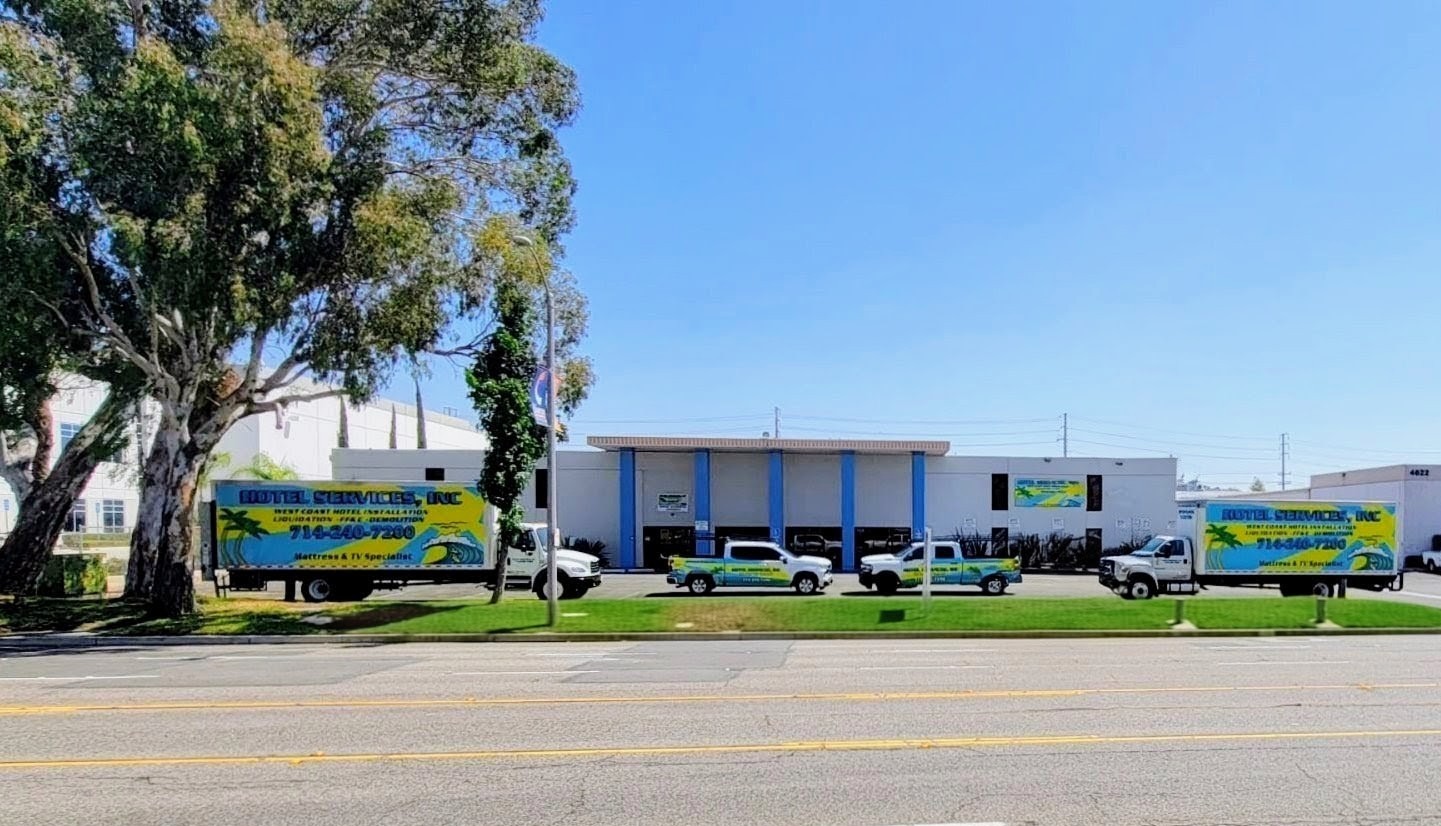
Hotel Services Inc. provides comprehensive hospitality support from its Anaheim, California headquarters, serving hotels, motels, and resorts nationwide. Its services include FF&E planning and installation, furniture liquidation, mattress installation and removal, recycling, demolition, and room outfitting. Professional uniformed crews follow organized processes designed to support on-time completion and protect the property during the work.
Because the company handles both new and repurposed furnishings, it can help hotels evaluate whether furniture should be reused, sold, recycled, or replaced. Its inventory includes commercial-grade furniture sourced from four- and five-star hotels, offering renovation teams additional options when quality and budget must be balanced. Hotel Services Inc. also provides a 100% guarantee on its work and offers assistance in English and Spanish.
Conclusion: Make Inspection Part of Every Hotel Renovation
Professional furniture inspection is not an optional final check. It is a practical planning tool that protects the renovation budget, supports safety compliance, improves installation efficiency, and helps deliver the quality guests expect. By identifying defects before furniture is installed, hotels can avoid preventable delays, reduce unnecessary replacement costs, and make more responsible decisions about resale and recycling.
Whether you are renovating a few rooms or completing a property-wide upgrade, a qualified hospitality services provider can coordinate inspection with removal, sourcing, mattress services, FF&E installation, and project scheduling. Hotel Services Inc. offers free consultations and estimates for hotel furnishing projects. Call (714) 541-7600 or 888-238-5252, or contact the team through hotelserviceinc.com to discuss your renovation needs.