Hotel Furniture Damage During Installation can turn an exciting renovation into an expensive operational problem. Scratched case goods, cracked mirrors, damaged flooring, chipped doorframes, and improperly mounted fixtures may lead to replacement costs, project delays, guest complaints, and disputes over responsibility. In a busy hotel, even a small installation mistake can affect dozens or hundreds of rooms.
The good news is that most damage is preventable with proper planning, trained crews, protective materials, and clear accountability. This guide explains how hotel operators, general contractors, and project managers can prevent furniture damage during setup, reduce installation liability, protect guest rooms, and keep renovation schedules on track. It also explains why partnering with an experienced professional hotel installation team can save far more than choosing the lowest initial labor quote.
Hotel Furniture Damage During Installation: Where Problems Begin
Installation damage rarely comes from one dramatic mistake. More often, it develops through a series of small oversights: furniture arrives without an inspection, elevators are not reserved, room access is restricted, or crews begin moving oversized pieces without measuring the route. When these details are ignored, valuable furnishings and finished surfaces are placed at risk.
Common types of installation damage
Hotel furniture is commercial-grade, but it is not indestructible. Frequent damage includes:
- Scratches, dents, and gouges on tables, desks, nightstands, and dressers
- Broken legs, loose hardware, and damaged drawer slides
- Chipped laminate, veneer separation, and crushed corners
- Cracked mirrors, artwork, glass tops, and decorative panels
- Scuffed walls, doorframes, baseboards, and elevator interiors
- Torn carpet, damaged tile, and marks on polished flooring
- Improperly installed headboards, televisions, shelving, or wall-mounted fixtures
Mattresses and box springs can also be contaminated or torn when they are dragged through construction areas. Likewise, upholstered chairs and sofas may absorb dust, paint, or moisture if they are delivered before the room is ready.
Why rushed projects cost more
Hotels often schedule installations between occupancy periods, but compressed timelines should not eliminate quality controls. A rushed crew may stack pieces incorrectly, skip protective coverings, force furniture through narrow openings, or leave packaging in guest pathways. The resulting repair work can cost more than the original installation.
Before work begins, the project team should document room conditions, confirm delivery quantities, and identify high-risk areas. A short pre-installation meeting can clarify who is responsible for access, protection, assembly, inspections, debris removal, and final sign-off. These steps create a smoother workflow while reducing disagreements if damage is discovered later.
Plan the Installation Before Furniture Arrives
The most effective guest room damage prevention strategy begins before the first truck reaches the property. A detailed plan allows managers to identify logistical risks and gives the installation team enough information to work safely and efficiently.
Complete a site and access assessment
Walk the complete path from the loading area to the rooms. Measure doorways, hallways, stairwells, elevators, and tight turns. Note low ceilings, sprinkler heads, uneven flooring, temporary barriers, and areas where construction materials may obstruct movement.
The assessment should also confirm:
- Delivery windows and loading dock availability
- Freight elevator size, capacity, and reservation requirements
- Room access procedures, keys, badges, and security protocols
- Staging areas for boxed and assembled furniture
- Floor protection requirements for carpet, tile, wood, and stone
- Locations for packaging, recycling, and construction debris
- Rooms that require special handling because of size or design
When properties are located in multiple states, photographs, floor plans, video walkthroughs, and accurate measurements help installation partners prepare remotely. However, complex projects may still benefit from an on-site assessment before final pricing and scheduling.
Coordinate with contractors and hotel operations
Furniture installation should be coordinated with painting, flooring, electrical, plumbing, technology, and housekeeping teams. Installing case goods before walls are finished can result in paint splatter and repeated moving. Installing televisions before network or electrical work is complete can lead to unnecessary remounting and wall damage.
Establish a room release process. A room should be considered ready only after construction work is complete, surfaces are dry, pathways are clear, and utilities are available. For occupied properties, coordinate room blocks with the front desk and housekeeping department. Professional crews should work in a way that minimizes guest disruption, protects privacy, and keeps hallways safe.
Use Protective Procedures to Prevent Furniture Damage During Setup
Once the plan is in place, physical protection and disciplined handling make the greatest difference. Experienced installers do not treat every piece or room the same way. They select protection based on the furniture material, building surface, weight, and route.
Protect floors, walls, doors, and furniture
Before moving items, crews should install floor runners, corner guards, moving blankets, door protectors, and elevator padding where appropriate. Furniture should remain wrapped until it reaches the correct room or staging area. Protective materials must be secured so they do not create tripping hazards or slide under carts.
Furniture should be lifted or transported with suitable dollies and carts rather than dragged. Heavy case goods require enough people to maintain control at turns and thresholds. Glass, mirrors, artwork, and other fragile items should be carried separately, clearly labeled, and stored upright when appropriate.
Installers should also avoid placing finished pieces directly against freshly painted walls or damp floors. Even minor moisture or friction can damage veneers, fabrics, and wall finishes.
Follow safe assembly and mounting practices
Every piece should be assembled according to the manufacturer’s instructions or approved project specifications. Crews should use the correct fasteners, tools, anchors, and hardware. Over-tightening can strip screws or crack panels, while under-tightening may create unstable furniture and future warranty issues.
Wall-mounted televisions, headboards, artwork, shelves, and mirrors require additional care. Installers must locate studs or use properly rated anchors, verify measurements, protect concealed utilities, and confirm that the finished installation is level and secure. Inappropriate mounting is not only a cosmetic problem; it can create a safety risk for guests and employees.
When replacing mattresses or bed sets, crews should inspect frames, rails, supports, and box springs before installation. A new mattress placed on a damaged or incompatible frame may fail prematurely and create avoidable service calls.
Control Quality, Documentation, and Furniture Installation Liability
Strong documentation protects the hotel and the installation provider. It also helps project managers identify problems while they are still easy to correct. A final inspection should never be treated as an optional administrative task.
Use room-by-room inspections
Inspect each room after installation and before it is released to housekeeping or the front desk. Compare the completed room with the approved layout, furniture schedule, and design specifications. Check that drawers open smoothly, doors align, legs are stable, hardware is tight, and mounted items are secure.
Photographs are especially useful. Take clear images of furniture, walls, flooring, bathrooms, entryways, and other high-risk surfaces. If pre-existing damage was documented before work began, the project team can distinguish old conditions from installation-related damage.
A practical inspection checklist should include:
- Confirm the correct furniture and quantity were delivered.
- Inspect every item for chips, scratches, stains, cracks, and missing hardware.
- Verify furniture placement, clearances, and room layout.
- Test drawers, doors, lighting, outlets, and mounted equipment where applicable.
- Check walls, floors, doors, elevators, and corridors for new damage.
- Remove packaging and confirm the room is clean and guest-ready.
- Record exceptions, assign responsibility, and schedule corrections immediately.
Clarify responsibility before the project starts
Furniture installation liability can become complicated when several vendors work on the same property. The contract should identify responsibility for transportation, unloading, staging, assembly, mounting, protection, cleanup, damage reporting, and repairs. It should also specify insurance requirements, warranty terms, completion standards, and the process for resolving damaged items.
A reputable installation provider should be willing to explain its procedures and stand behind its work. Hotel Services Inc., for example, provides professional uniformed crews, organized project coordination, and a 100% Guarantee on all work. Clear expectations and dependable communication help prevent small issues from becoming costly disputes.
Why Professional Hotel Installation Pays for Itself
Choosing an experienced hotel installation partner is not simply a labor decision. It is a risk-management decision. Professional crews understand how to handle commercial furniture, work around active hotel operations, coordinate with contractors, and maintain consistent standards across large room counts.
Hotels also benefit from accurate scheduling. A crew that completes work efficiently can reduce room downtime, avoid repeated deliveries, and help the property return rooms to service sooner. That operational gain may be significantly greater than the difference between a low bid and a professional installation quote.
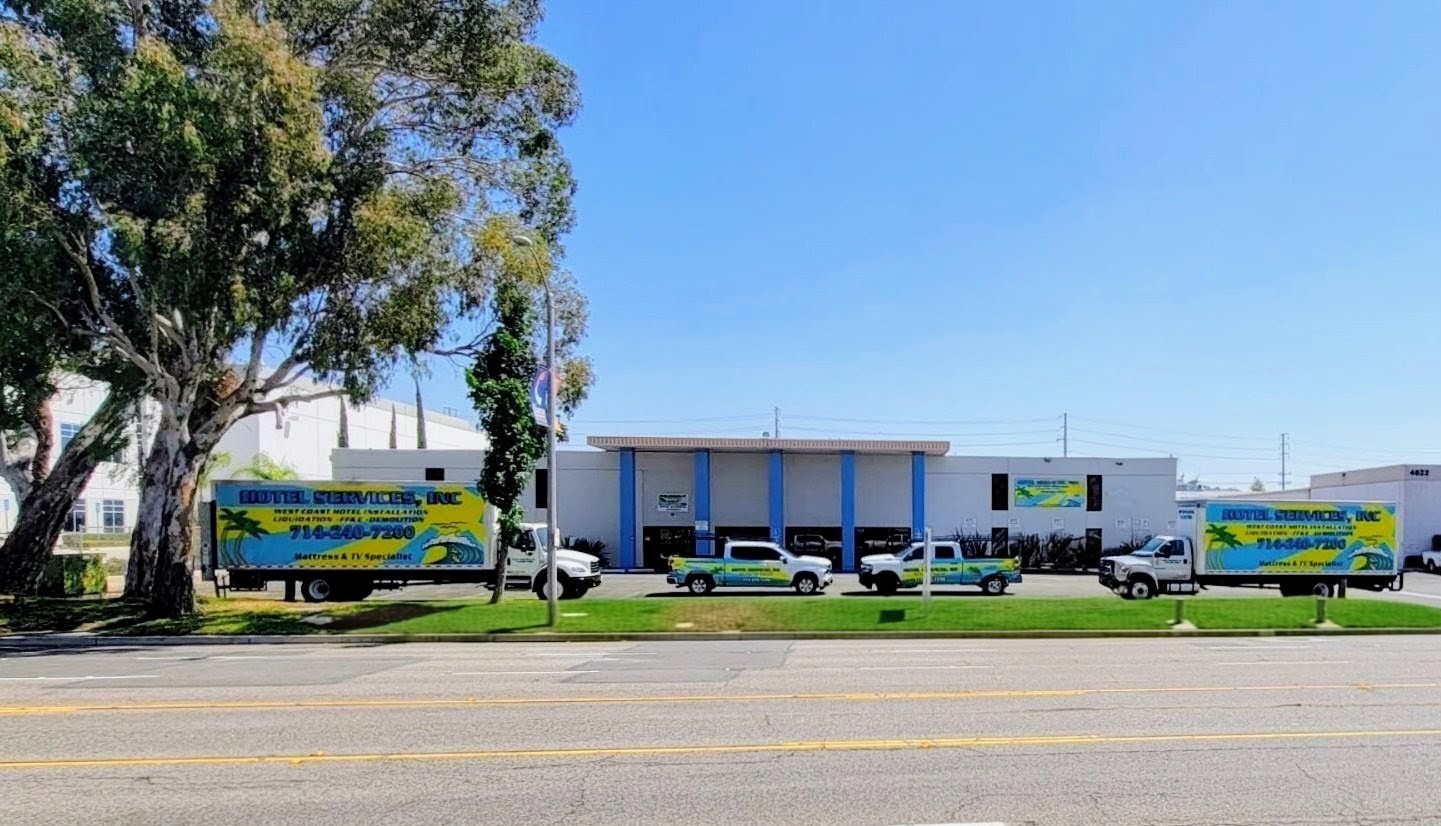
Hotel Services Inc. supports hotels, motels, and resorts nationwide with coast-to-coast installation services. Its capabilities include full room outfitting, case goods movement, mattress and bed set installation, contractor coordination, quality inspections, and secure mounting of televisions, headboards, wall art, and other fixtures. The company can also assist with FF&E planning, furniture liquidation, demolition, mattress removal, and recycling during a renovation.
For properties replacing large quantities of furniture, combining services can simplify the project. Unwanted furnishings can be removed systematically, reusable pieces may be directed toward resale, and mattresses can be handled through recycling partners such as MBC Mattress Recycling and Gateway Mattress Recycling. This approach can reduce clutter, support environmental goals, and keep the installation site organized.
Hotel Services Inc. offers free consultations and detailed estimates, with services available in English and Spanish. Hotel owners and project managers can contact the team at (714) 541-7600 or 888-238-5252. For bid estimates, call John at (949) 310-2277 or (714) 240-7200, or visit the Anaheim showroom at 4640 E. La Palma Ave.
Conclusion: Protect Your Investment Before Installation Begins
Preventing hotel furniture damage during installation requires more than careful lifting. It depends on accurate planning, protected routes, proper tools, trained installers, room-by-room inspections, and clearly assigned responsibility. These safeguards reduce replacement costs, protect finished surfaces, limit guest disruption, and help renovation teams meet their deadlines.
Whether you are furnishing a few renovated rooms or completing a property-wide FF&E upgrade, professional coordination can save thousands of dollars in avoidable damage and downtime. Hotel Services Inc. combines nationwide installation experience with furniture liquidation, mattress services, recycling, and project support. Request a free consultation before your next installation so your property, furnishings, and budget are protected from the start.