Hotel furniture installation mistakes can turn a routine renovation or guest room refresh into an expensive repair project. A misplaced wall anchor, unprotected doorway, or rushed furniture move may result in damaged drywall, scratched flooring, broken case goods, delayed room openings, and unhappy guests. In large properties, a few preventable errors repeated across dozens or hundreds of rooms can add thousands of dollars to the final project cost.
This guide explains the most common installation problems, why they happen, and how hotel operators can prevent them. You will learn how to plan room access, protect finished surfaces, select safe mounting methods, coordinate trades, and create a quality-control process that limits rework. Whether you are replacing mattresses, outfitting renovated rooms, or completing a full FF&E project, careful preparation and professional hotel installation help protect both the property and the budget.
Hotel Furniture Installation Mistakes That Cause the Most Damage
Hotel installations are more complex than simply moving furniture into a room. Crews must work around elevators, narrow corridors, finished walls, flooring, lighting, plumbing, fire-safety equipment, and guest schedules. When the installation plan does not account for these conditions, damage can occur before the furniture reaches its intended location.
Moving oversized items without a route plan
Beds, headboards, sofas, desks, and large case goods can easily strike door frames, corridor corners, elevator interiors, and sprinkler covers. Trying to force an item through a tight space often causes chipped paint, dented drywall, torn carpet, or damage to the furniture itself. Even a minor impact can require a maintenance call, repainting, replacement trim, or a room outage.
Before delivery begins, the team should measure the full route from the loading area to the room. This includes elevator doors, hallway turns, stairwells, room entries, and the final installation location. If a piece cannot safely pass through the route, it may need to be disassembled, carried by a different path, or replaced with a more practical configuration.
Dragging furniture across finished surfaces
Dragging a nightstand or bed frame may seem faster than lifting it, but the practice can permanently scratch hardwood, gouge vinyl plank, tear carpet, and leave dark marks on tile. It can also loosen legs, damage casters, or weaken joints. These repairs are especially costly because flooring replacement may extend beyond the immediate installation area.
Furniture should be lifted whenever possible. When that is not practical, use clean moving blankets, furniture sliders, dollies, and protective runners rated for the surface. Crews should also check the wheels and feet of each item before moving it. A small stone trapped beneath a dolly wheel can create a long scrape across an otherwise finished floor.
Why Poor Planning Increases Guest Room Setup Costs
Many installation problems begin before the crew arrives. Incomplete measurements, unclear drawings, missing hardware, and poor scheduling create pressure to improvise on site. Improvisation may keep the project moving for a few minutes, but it often produces rework, damage claims, and delayed room turnover.
Ignoring site conditions and room variations
Hotels may have hundreds of rooms that appear identical, yet small differences are common. Renovated floors may have different heights, outlets may not be in the expected position, and plumbing or structural features can affect where furniture fits. Accessible rooms, suites, connecting rooms, and rooms near mechanical spaces may require different layouts.
A reliable installation plan should include:
- Current room measurements and approved furniture layouts
- Door, hallway, elevator, and loading-area dimensions
- Wall construction information for mounting requirements
- Electrical, data, television, and lighting locations
- Room-type differences, including accessible accommodations
- Delivery sequences and temporary storage locations
- A list of required tools, fasteners, protective materials, and replacement parts
Completing a sample room or pilot installation is another effective control. It allows the hotel, designer, contractor, and installer to confirm clearances, mounting heights, furniture spacing, and guest-use considerations before the same process is repeated throughout the property.
Scheduling installation while other trades are still working
Installing furniture before painting, flooring, electrical, or millwork is complete exposes new furnishings to avoidable damage. Dust can enter drawers and appliances, wet paint can mark upholstery, and tools or ladders can scratch finished surfaces. Multiple trades working in the same room also increase the chance that furniture will be moved incorrectly after installation.
Whenever possible, sequence the work so that construction and high-dust activities are finished before FF&E installation. If overlapping schedules are unavoidable, establish a clear protection plan and identify who is responsible for moving, covering, and inspecting the furniture. A room should not be released for guests until all trades have completed their work and the final inspection is documented.
Furniture Mounting Safety: Avoiding Wall and Fixture Damage
Furniture mounting safety is one of the most important parts of a hotel installation. Wall-mounted televisions, artwork, mirrors, headboards, shelves, and other fixtures must be secure for daily guest use. At the same time, incorrect drilling can damage walls, electrical wiring, plumbing, fire-rated assemblies, or hidden structural components.
Using the wrong anchor or mounting location
A drywall anchor selected from a general hardware bin may not be adequate for a heavy television or headboard. The load rating must account for the weight of the item, the bracket, repeated use, and any force created when guests pull, lean, or adjust the fixture. A mount that appears stable during installation may loosen over time if it is attached to unsuitable material.
Installers should confirm whether the wall is drywall, concrete, masonry, wood framing, metal framing, or a specialized fire-rated assembly. Fasteners and anchors must be compatible with that substrate. Where possible, mounts should connect to structural framing or approved backing rather than relying solely on the face of the drywall.
Before drilling, verify the location of electrical outlets, switches, plumbing, data lines, and other concealed services. The mounting height should also be checked against the approved design, television viewing angle, accessibility requirements, and the location of furniture below it.
Leaving unstable or poorly aligned fixtures
Loose headboards, uneven wall art, wobbling shelves, and unsecured televisions are not merely cosmetic concerns. They can injure guests, damage walls, and expose the hotel to liability. Every mounted item should be tested after installation. Fasteners should be tightened, brackets should be level, and safety cables or secondary restraints should be used when specified.
Do not conceal a problem with paint, caulk, or decorative trim. If a mount does not align with the wall conditions or the approved layout, stop and resolve the issue before continuing. Professional hotel installation includes knowing when a field adjustment is safe and when the design, hardware, or substrate requires approval from the project manager or contractor.
Furniture Damage Prevention During Delivery and Installation
Furniture damage prevention requires more than careful handling. Hotels should create a documented protection and inspection process that applies from receiving through final placement. This protects the property, the furnishings, and the people performing the work.
Protect floors, walls, doors, and elevators
Before unloading begins, protect high-traffic areas with appropriate floor covering. Use corner guards, padded wall protection, door jamb covers, elevator blankets, and clean moving blankets where needed. Protection should be secured so it does not become a trip hazard or collect grit that can scratch the floor beneath it.
Doors are frequently damaged when oversized furniture is pushed through without removing or securing the door. If a door must be removed, label the hardware and reinstall it correctly. Never block fire exits, sprinkler equipment, emergency pathways, or accessible routes with furniture, packaging, or carts.
Inspect items before and after placement
Unpack furniture in a controlled area and inspect it for shipping damage, missing parts, stains, loose hardware, and finish defects. Photograph significant issues before installation and record the item number or room assignment. This prevents confusion about whether damage occurred during shipping, storage, or installation.
After placement, inspect the room from the perspective of a guest. Check that drawers open fully, doors do not strike walls, beds are stable, tables are level, lamps and appliances operate, and furniture does not obstruct outlets or circulation paths. The final check should also confirm that packaging, fasteners, labels, and debris have been removed.
A practical quality-control checklist may include:
- Walls, doors, baseboards, and flooring are free of new damage
- Furniture is level, stable, clean, and positioned according to the approved plan
- Mounted items are secure, aligned, and tested
- Mattresses, box springs, bed frames, and headboards are correctly assembled
- Electrical cords are safely routed and do not create trip hazards
- Room numbers and inventory records match the installed items
- All defects are photographed, assigned, and corrected before room release
How Professional Hotel Installation Controls Cost and Delays
Hotels often attempt to reduce expenses by assigning furniture installation to general labor or internal maintenance staff. While an in-house team may be appropriate for a small replacement, large-scale projects require specialized planning, equipment, labor coordination, and quality control. A mistake repeated across an entire property can cost far more than the original labor savings.
An experienced installation provider can coordinate the movement and placement of case goods, mattresses, beds, seating, artwork, televisions, and other FF&E according to the project schedule. Professional crews understand how to protect finished spaces, work efficiently in occupied properties, and document completion. They can also identify issues such as incorrect hardware, damaged inventory, missing components, or layout conflicts before those problems affect dozens of rooms.
When comparing installation bids, look beyond the hourly rate. Ask whether the proposal includes protection materials, unpacking, assembly, mounting, debris removal, room inspection, inventory documentation, and corrections. A per-project or per-item estimate with a detailed cost breakdown can make the true cost easier to understand than a low labor quote that excludes essential services.
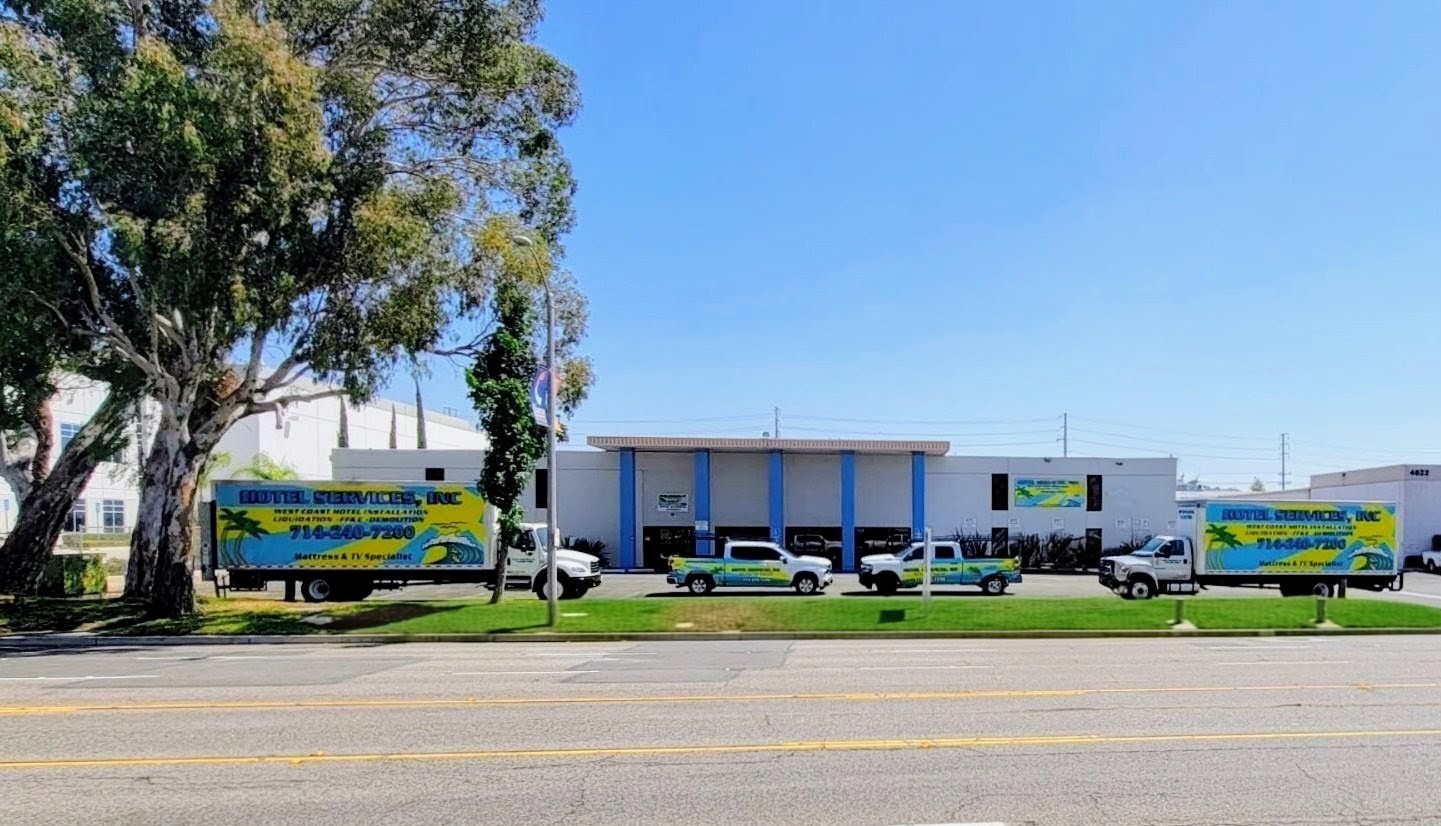
Hotel Services Inc. provides nationwide FF&E and furniture installation for hotels, motels, resorts, and renovation projects. Its uniformed crews handle complete room outfitting, case goods movement, professional mounting, quality inspections, and coordination with contractors. The company also provides hotel mattress installation, liquidation, recycling, demolition, and furniture sourcing, allowing property owners to consolidate multiple project needs with one hospitality-focused partner.
For properties trying to reduce guest disruption, scheduling is equally important. Work can be organized by floor, room type, or renovation phase, with clear daily completion targets. Crews should maintain clean work areas, use designated staging zones, and communicate room status to hotel management. These practices help return rooms to service quickly without sacrificing safety or finish quality.
Conclusion: Prevent Damage Before the First Room Is Installed
The most expensive hotel furniture installation mistakes are usually preventable. Measuring the route, protecting finished surfaces, selecting the correct mounting hardware, coordinating trades, and inspecting every room can dramatically reduce wall repairs, replacement costs, and project delays. Just as importantly, a controlled installation protects the guest experience during renovations and room refreshes.
For assistance with professional hotel installation, FF&E coordination, mattress placement, furniture liquidation, or nationwide project support, contact Hotel Services Inc. at (714) 541-7600 or 888-238-5252. Bid estimates are available through John at (949) 310-2277 or (714) 240-7200. Visit hotelserviceinc.com to request a consultation, view available inventory, or learn more about installation solutions designed to protect your property and your budget.