Hotels in Anaheim face a unique challenge in 2026: balancing guest expectations shaped by luxury travel trends with the operational realities of aging furniture and fixtures. As Southern California’s hospitality market continues its post-pandemic evolution, properties that postpone furniture updates risk falling behind competitors who recognize that fresh, durable furnishings directly impact guest satisfaction, online reviews, and revenue per available room. This article explores why frequent furniture updates have become essential for Anaheim hotels in 2026, how renovation timing affects profitability, and what strategies property owners can use to manage costs while maintaining competitive standards.
The case for regular furniture replacement isn’t merely aesthetic. It’s a strategic response to accelerated wear patterns, evolving safety standards, and the growing influence of visual presentation in online booking decisions. For Anaheim hotels competing near high-traffic attractions and convention centers, the condition of guest room furniture often determines whether a property captures repeat bookings or loses market share to recently renovated competitors.
Why Furniture Updates Matter More in Anaheim’s 2026 Market
Anaheim’s hospitality sector is experiencing a renovation wave that’s reshaping competitive dynamics across the market. According to recent industry analysis, the Hilton Anaheim completed a multi-million-dollar, full-property renovation in October 2025, while the Howard Johnson Anaheim Hotel & Water Playground has begun a reported $30 million upgrade scheduled for completion in June 2027. These large-scale projects set new benchmarks for furniture quality, room aesthetics, and guest expectations throughout the local market.
When flagship properties invest heavily in furniture modernization, neighboring hotels face pressure to match those standards or risk appearing outdated by comparison. Guests booking accommodations in Anaheim in 2026 increasingly compare room photos across multiple properties before making reservations. Furniture that looked acceptable in 2022 may now appear worn or dated when viewed alongside recently renovated competitors’ listings on booking platforms.
The Revenue Impact of Fresh Furnishings
Data from hospitality renovation studies demonstrates measurable financial returns from furniture updates. Properties that complete comprehensive renovations typically see guest retention rates increase by 15-30% within the first year, according to market analysis focused on Anaheim and Orange County. More significantly, renovated hotels often achieve 10-20% higher average daily rates while maintaining or improving occupancy, creating a powerful revenue multiplier that justifies the upfront investment in quality furniture.
These numbers matter because they shift the conversation from viewing furniture updates as a cost center to recognizing them as a revenue strategy. When a property can command $20-30 more per night after a furniture refresh while simultaneously reducing negative reviews related to worn furnishings, the return on investment becomes clear and measurable.
Accelerated Wear in High-Traffic Properties
Anaheim hotels near major attractions experience furniture wear patterns that differ significantly from properties in lower-traffic markets. Guest rooms near Disneyland Resort, the Anaheim Convention Center, and Angel Stadium see higher turnover rates, more luggage impacts on furniture surfaces, and greater stress on seating and case goods. Families traveling with children create additional wear on upholstered furniture, while business travelers attending conventions may use desks and work chairs more intensively than leisure guests.
This accelerated deterioration means that furniture purchased with an expected 7-10 year lifespan may show visible wear within 4-5 years in high-occupancy Anaheim properties. Waiting for complete failure before replacement results in a period where the property operates with visibly worn furnishings that damage its competitive position and review scores.
Strategic Timing: When to Replace Hotel Furniture in Anaheim
Determining the optimal furniture replacement schedule requires balancing multiple factors: current condition, competitive positioning, budget cycles, and seasonal occupancy patterns. Rather than waiting until furniture fails completely, successful Anaheim hotel operators in 2026 are adopting proactive replacement schedules that prevent visible deterioration from reaching the point where it affects guest perception.
The most effective approach involves regular condition assessments that identify furniture nearing the end of its useful life before it becomes a liability. This strategy allows properties to plan replacements during seasonal low-occupancy periods, secure better pricing through advance planning, and avoid emergency replacements that disrupt operations and force premium pricing for rush orders.
Seasonal Considerations for Anaheim Properties
Anaheim’s tourism patterns create natural windows for furniture updates. Properties typically experience lower occupancy during late January through early March and again in September through mid-October, outside of major convention periods. These windows provide opportunities to complete furniture removal and installation with minimal revenue impact.
However, the recent surge in renovation activity across Anaheim’s hotel market creates scheduling challenges. Properties competing for the same contractors, installers, trucking capacity, and disposal resources may face longer lead times during peak renovation periods. Working with a provider that combines liquidation, recycling, FF&E installation, and mattress services can reduce the number of handoffs between vendors and compress project timelines.
The Hidden Costs of Delayed Updates
Postponing furniture replacement beyond its optimal lifecycle creates costs that often exceed the savings from delayed capital expenditure. Worn furniture generates negative online reviews that persist long after replacement, affecting booking decisions for months or years. Maintenance staff spend increasing time addressing furniture-related guest complaints, repairing damaged pieces, and managing workarounds for items that no longer function properly.
Additionally, furniture that remains in service past its design life poses greater safety risks. Loose chair joints, weakened bed frames, and damaged drawer slides create liability exposure that can result in guest injuries and workers’ compensation claims. The cost of a single injury incident can exceed the expense of proactively replacing furniture across multiple rooms.
Cost-Effective Furniture Update Strategies for 2026
Frequent furniture updates don’t require purchasing new furnishings at retail prices for every refresh cycle. Anaheim hotels can implement several strategies to maintain fresh, attractive guest rooms while managing capital expenditure effectively.
One approach involves sourcing quality used furniture from higher-tier properties that have completed their own renovations. Commercial-grade furniture from four and five-star hotels often retains significant useful life after its initial installation period. These pieces can provide independent and mid-tier properties with furniture quality that exceeds what they could afford new, at a fraction of retail cost.
The Role of Professional Liquidation and Installation
Efficient furniture updates require coordination across multiple specialized tasks: removing old furniture, disposing of or recycling items responsibly, protecting property finishes during the transition, and installing replacement pieces to exact specifications. Properties that attempt to manage these steps through multiple uncoordinated vendors often experience schedule delays, damaged walls or floors, and extended room downtime that erodes the project’s financial benefit.
A systematic approach to furniture liquidation can also recover value from outgoing pieces. Rather than paying disposal fees for furniture that still has useful life, properties can work with liquidation specialists who assess items for resale value and credit that value against removal costs. This approach reduces the net cost of furniture updates while supporting sustainability goals.
Phased Replacement vs. Complete Renovation
Hotels don’t always need to update all furniture simultaneously. A phased approach that targets specific room types or floors each year can spread capital expenditure across multiple budget cycles while maintaining overall property freshness. This strategy works particularly well for larger properties where closing all rooms simultaneously for renovation would create unacceptable revenue loss.
Key considerations for phased furniture updates include:
- Prioritizing high-visibility areas: Rooms frequently photographed for marketing materials or shown during site inspections should receive updates first to maximize impact on booking decisions
- Addressing rooms with the highest complaint rates: Guest feedback data can identify specific rooms or floors where furniture condition generates disproportionate negative reviews
- Coordinating with mechanical system upgrades: When HVAC, plumbing, or electrical work requires room access, combining that disruption with furniture updates minimizes total guest impact
- Maintaining visual consistency: Even in phased projects, furniture styles across the property should remain cohesive to avoid a disjointed guest experience
Sustainability and Furniture Lifecycle Management
Environmental responsibility has evolved from a marketing differentiator to an operational expectation in California’s hospitality industry. Anaheim hotels updating furniture in 2026 face increasing pressure from both guests and regulatory frameworks to minimize waste and demonstrate commitment to sustainability practices.
Furniture and mattress recycling programs provide a practical path to meet these expectations while potentially reducing disposal costs. Rather than sending usable items directly to landfills, properties can work with recycling partners that disassemble furniture, separate materials, and repurpose components for manufacturing or resale. Mattresses, in particular, contain valuable materials including steel springs, foam, and fabric that can be recovered and reused.
The Green Certificate Advantage
Properties that purchase repurposed furnishings or participate in furniture recycling programs can leverage those decisions for marketing benefit. Environmental certifications and documented sustainability practices increasingly influence booking decisions, particularly among corporate travel programs with environmental procurement policies and leisure travelers who prioritize eco-conscious accommodations.
Obtaining recognition as an environmentally sound business through furniture recycling and repurposing creates tangible marketing content: website messaging, booking platform highlights, and social media content that differentiates the property from competitors. This positioning can justify premium pricing and attract guest segments willing to pay more for accommodations that align with their environmental values.
Regulatory Considerations in California
California maintains specific regulations around mattress disposal and recycling that affect hotel renovation projects. The state’s mattress recycling program requires retailers and renovators to participate in collection and recycling efforts, creating both compliance obligations and opportunities for properties updating their furniture. Understanding these requirements before beginning a furniture replacement project prevents delays and ensures proper documentation.
Working with experienced liquidation and installation providers familiar with California’s regulatory environment helps properties navigate these requirements efficiently. Providers who maintain relationships with certified recycling partners can handle compliance documentation while properties focus on core hospitality operations.
Selecting Durable Furniture for Extended Lifecycles
Frequent furniture updates become more cost-effective when replacement pieces are selected specifically for durability and longevity in high-traffic hospitality environments. Not all commercial furniture offers equal performance under the demanding conditions of Anaheim hotel operations.
Key durability factors include frame construction, joint reinforcement, fabric selection, finish quality, and hardware specifications. Furniture designed for residential use, even at premium price points, typically cannot withstand the usage intensity of hotel guest rooms. Commercial-grade pieces incorporate reinforced joinery, commercial-grade upholstery fabrics with higher rub counts, and finishes formulated to resist moisture and cleaning chemicals.
Balancing Initial Cost with Total Lifecycle Value
The lowest-price furniture option rarely delivers the best total cost of ownership. Pieces that require replacement after three years due to structural failure or finish deterioration ultimately cost more than higher-quality alternatives that maintain appearance and function for six or seven years. This calculation becomes particularly important for Anaheim properties with high occupancy rates where furniture experiences accelerated wear.
Effective furniture selection requires evaluating not just purchase price but expected maintenance costs, replacement frequency, and the revenue impact of appearance throughout the furniture’s lifecycle. A piece that costs 30% more initially but lasts twice as long while maintaining better appearance delivers superior financial performance.
Professional Consultation and Showroom Evaluation
Selecting appropriate furniture for specific property needs benefits significantly from professional consultation and hands-on evaluation. Viewing furniture in person allows assessment of construction quality, finish durability, and comfort that can’t be fully evaluated from product specifications or photographs.
Properties considering furniture updates should schedule showroom visits where they can compare available options, test furniture functionality, and discuss specific requirements with experienced hospitality furnishing specialists. This consultation can identify furniture solutions that match budget constraints while meeting durability requirements and aesthetic goals.
Working with Experienced Installation Partners in Anaheim
Even the highest-quality furniture delivers poor results if installation is rushed, careless, or improperly coordinated. Professional installation affects not only the immediate project timeline but also long-term furniture performance, guest satisfaction, and property protection during the transition.
Experienced installation crews understand the logistics of hotel furniture projects: protecting corridors and elevators during furniture movement, coordinating with housekeeping and engineering teams, securing wall-mounted elements properly, and completing work efficiently to return rooms to revenue service quickly. These operational details often determine whether a furniture update project succeeds or creates extended disruption that erodes its financial benefit.
The Value of Integrated Service Providers
Furniture update projects involve multiple specialized tasks that must occur in precise sequence. Old furniture and mattresses must be removed before new pieces can be installed. Demolition debris must be cleared before replacement furnishings can be safely placed. Wall preparation must be completed before artwork and televisions can be mounted.
Working with a provider that coordinates liquidation, disposal, recycling, and installation through a single point of contact reduces the complexity of managing multiple vendor relationships and eliminates gaps between project phases where rooms remain out of service but no work is occurring. This integration typically compresses project timelines and reduces total labor costs compared to coordinating separate specialists for each task.
Timeline Management and Room Release Coordination
The most reliable renovation timelines are built backward from the reopening date. Rather than asking when furniture can be installed, successful project teams identify every preceding milestone: final design approval, purchasing, shipping, room release, demolition, disposal, staging, installation, inspection, and punch-list completion.
This comprehensive timeline approach reveals dependencies and potential bottlenecks before they cause delays. It also clarifies coordination requirements between the property’s operational teams and external vendors, ensuring that rooms become available in the correct sequence and that each phase of work can proceed without waiting for unfinished predecessor tasks.
Conclusion: Making Furniture Updates a Competitive Advantage
Anaheim hotels that view furniture updates as an ongoing operational priority rather than a deferred expense position themselves for sustained competitive advantage in 2026’s dynamic hospitality market. Regular furniture refresh cycles maintain the property’s visual appeal, support premium pricing strategies, generate positive guest reviews, and demonstrate commitment to guest comfort and satisfaction.
The key to cost-effective frequent updates lies in strategic planning: understanding optimal replacement timing, sourcing quality furniture at appropriate price points, coordinating multiple project elements efficiently, and working with experienced partners who minimize disruption while delivering professional results. Properties that master this approach maintain consistently fresh guest experiences without the financial strain of emergency replacements or the competitive disadvantage of visibly worn furnishings.
For Anaheim hotels evaluating their furniture update strategy in 2026, the question isn’t whether to invest in regular refreshes but how to structure those investments for maximum return. With major competitors completing significant renovations and guest expectations continuing to rise, the properties that thrive will be those that make furniture quality and freshness a core element of their operational excellence rather than an afterthought addressed only when deterioration becomes impossible to ignore.
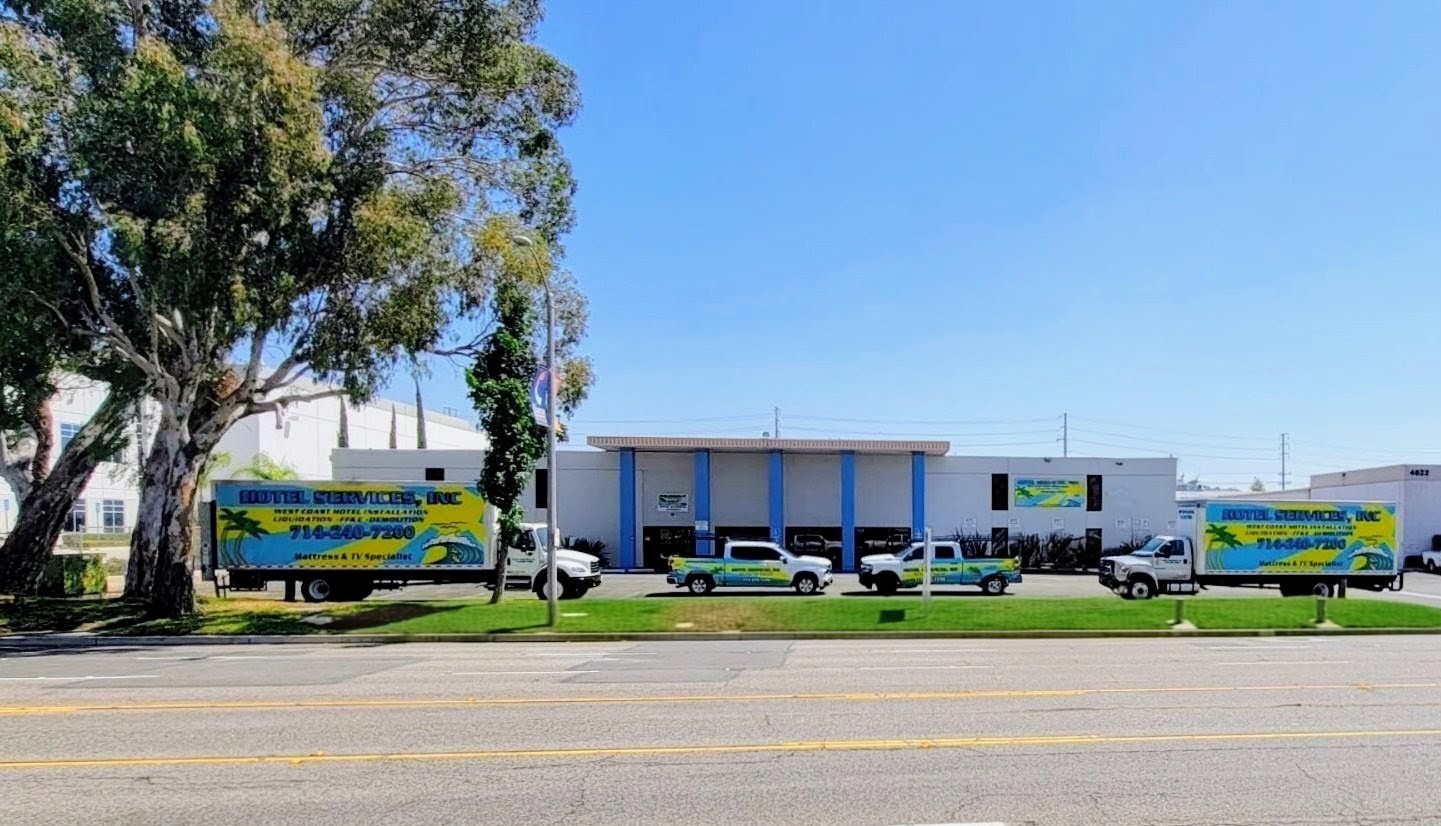
Hotel Services Inc. provides comprehensive furniture liquidation, FF&E installation, mattress services, and recycling solutions for Anaheim properties planning furniture updates. Contact the team at (714) 541-7600 to discuss your property’s specific needs and receive a detailed project proposal with transparent per-item pricing.